
MyVersatiles
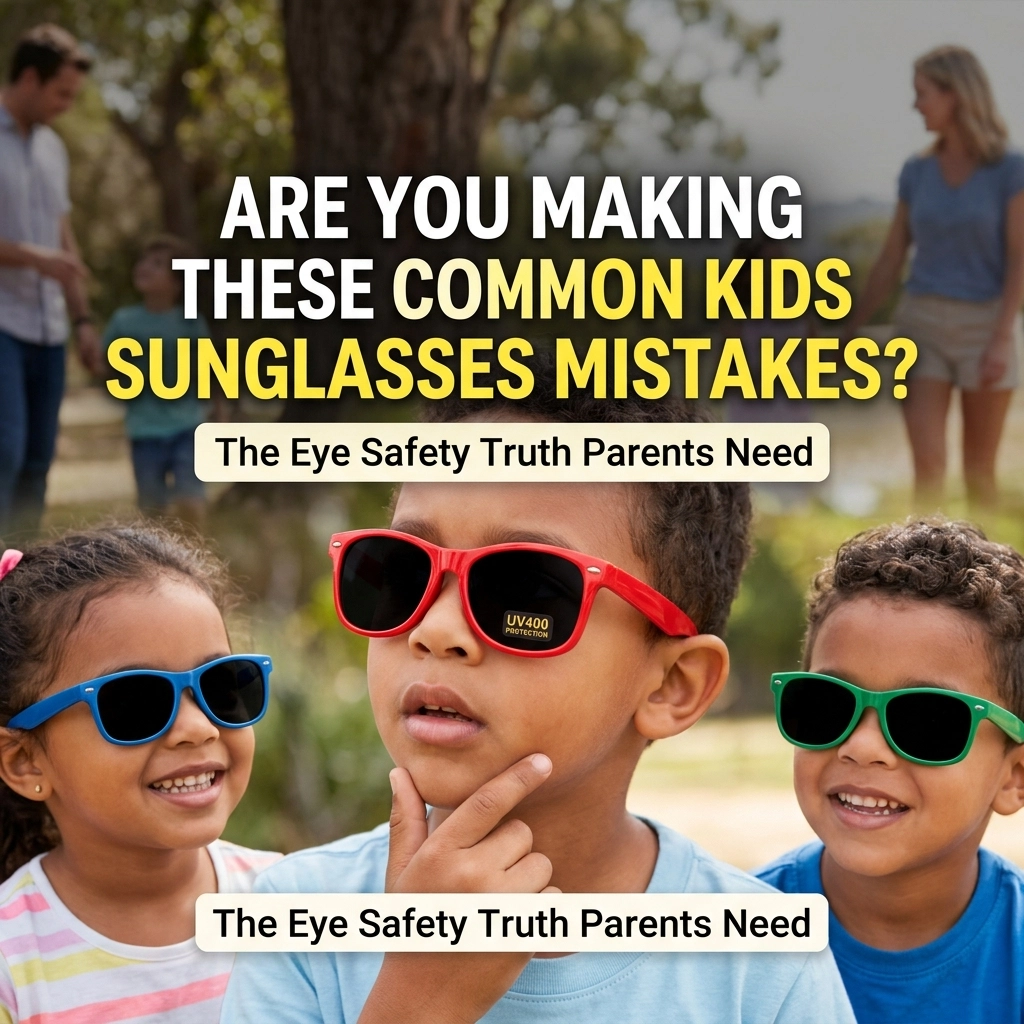
Are You Making These Common Kids Sunglasses Mistakes? (The Eye Safety Truth Parents Need)
Apr
To the discerning parent, every object within a child's reach is imbued with meaning. We curate their libraries to foster intellect, their meals to facilitate growth, and their environments to inspire safety. Yet, when the sun ascends and the world is bathed in brilliant, architectural light, many parents inadvertently overlook a critical element of the child's daily ensemble: the integrity of their eyewear.
Selecting kids sunglasses is not merely a retail transaction; it is a creative exercise in identity and a profound commitment to long-term health. Often, the choice is treated as a seasonal whim: a colorful accessory plucked from a grocery store aisle. However, the eyes of a child are delicate vessels, more susceptible to the nuances of light than those of an adult. To choose poorly is to compromise both their comfort and their future vision.
In this exploration, we shall uncover the common oversights that occur when selecting eyewear and how you can transition from a passive consumer to an intentional curator of your child’s ocular aura.
The Illusion of Protection: The "Toy Eyewear" Trap
The most frequent mistake: and perhaps the most perilous: is the belief that any dark lens provides safety. We see them everywhere: in bins at the dollar store or hanging from toy aisles, often shaped like hearts or stars. While these may seem like a playful addition to a child’s wardrobe, they often lack the technical specifications necessary to facilitate true protection.

When a child dons a dark lens that lacks 100% UV protection, the eye is effectively deceived. The darkness causes the pupil to dilate, an architectural shift designed to let in more light. In a lens that is merely tinted plastic, this dilation invites harmful UV radiation to penetrate deeper into the eye than if the child were wearing no glasses at all. It is a doubled agenda: the aesthetic of safety masking a hidden vulnerability.
True UV protection for kids eyes must be absolute. It should block 99% to 100% of UVA and UVB rays. In the absence of this certification, the "sunglasses" are merely a costume, failing in their primary duty to protect the child's developing retinas. As Rasheed often notes, simplicity in design should never come at the cost of essential functionality.
The Architectural Integrity of the Frame
Beyond the lens lies the frame: the skeleton that supports the vision. Parents frequently choose frames based on a cursory glance at the color, neglecting the architectural durability required for a child’s active lifestyle. A common mistake is selecting rigid, brittle plastics that are prone to shattering.
Children do not move through the world with the measured pace of an adult; their movements are geometric, explosive, and often unpredictable. A frame that fails during play is not just a lost purchase; it is a potential safety hazard. High-quality kids sunglasses should be constructed with materials that offer a "rhythmic" flexibility: frames that can withstand the rigors of the playground while maintaining their structural grace.
At Versatiles by Rasheed Walker, we believe that objects should serve a psychological purpose as much as a practical one. When a child feels that their gear is sturdy and reliable, it facilitates a sense of confidence in their exploration.
Neglecting the Narrative of Style
While health is the foundation, style is the language of identity. A significant mistake many parents make is excluding the child from the selection process. We often forget that for a child, clothing and accessories are the first tools they have to communicate their budding "aura" to the world.
If a child does not feel a connection to their sunglasses, the glasses will inevitably spend more time in a backpack than on their face. This is where the concept of the "sartorial self" becomes essential. By choosing eyewear that allows for personal expression, you ensure consistency in use.

This is the philosophy behind our Versatile Ones model. We have designed these pieces with unique interchangeable arms, allowing the child to engage in a creative exercise every morning. Whether they are coordinating with an autumnal palette or a bright summer silhouette, the ability to "mix and match" transforms a functional necessity into a highlight of their personal style.
When you allow your child to choose the color of their frames or swap out the arms to match their sneakers, you are teaching them that their choices have weight. You can learn more about this philosophy in our post on why interchangeable sunglasses change the way you match outfits.
The Oversight of Seasonal Consistency
UV radiation is not a seasonal visitor; it is a constant presence. A common misconception is that sunglasses are only necessary during the peak of summer or on the sun-drenched sands of a beach. However, the architectural reflection of light can be just as intense on a bright winter day or a cloudy spring afternoon.
Failing to provide protection year-round is a subtle compromise of the child's health. The accumulation of UV exposure happens over a lifetime, and significant damage often begins in childhood. We must view eyewear as a permanent fixture of the outdoor wardrobe, regardless of the temperature.
To understand the deeper science of why this matters in our modern era, read our detailed breakdown: Does 100% UV protection really matter in 2026?
Misjudging the Fit and Coverage
The geometry of the face changes rapidly in childhood. A frame that fit perfectly six months ago may now be constricting or, conversely, slipping down the bridge of the nose. A poor fit leads to "light leakage," where harmful rays enter through the top or sides of the frames, bypassing the lenses entirely.

When selecting kids sunglasses, look for a silhouette that provides ample coverage: often referred to as a "wraparound" or "oversized" style in the editorial world. This ensures that the delicate skin around the eyes is also shielded. Remember, the skin in this area is thin and prone to damage, making the sunglasses a literal shield for more than just the eyes themselves.
The Philosophical Shift: From Accessory to Essential
In the world of high-end retail, we often speak of objects being "imbued" with value. When you choose a pair of Versatiles, you are not just buying plastic and glass; you are investing in a piece of equipment designed to facilitate a better childhood experience.
The mistakes we have discussed: choosing toys over tools, neglecting the frame's integrity, and ignoring the child's creative voice: are all symptoms of viewing sunglasses as a secondary accessory. By shifting your perspective and seeing them as an essential guardian of your child’s health and identity, you elevate the mundane act of "getting ready" into a moment of intentional parenting.
A Quick Checklist for the Discerning Parent:
- Verify the Specs: Ensure they offer 100% UV 400 protection.
- Check the Durability: Look for flexible, impact-resistant materials.
- Engage the Child: Let them experiment with interchangeable arms to foster a sense of ownership.
- Monitor the Fit: Ensure the frames sit close to the face to prevent peripheral light entry.
- Year-Round Utility: Keep them accessible in every season.
If you find yourself questioning whether your current pair meets these standards, we invite you to explore our FAQ or browse our collection of Versatile Ones to see how we blend safety with a sophisticated, street-inspired aesthetic.

Protecting your child’s vision is one of the unsung responsibilities of parenthood. It requires a keen eye for detail and a refusal to settle for the "good enough." By avoiding these common mistakes, you are not just shielding their eyes; you are respecting their future.
In the end, style and safety are not opposing forces. When balanced correctly, they coordinate to communicate a message of care, quality, and creative freedom. Let your child’s eyewear be a reflection of the vibrant, protected life you are building for them.
For more insights into pairing fashion with function, visit our blog and join the community of parents who refuse to compromise on their children's sartorial and ocular health.
